How to Share Code Online Instantly
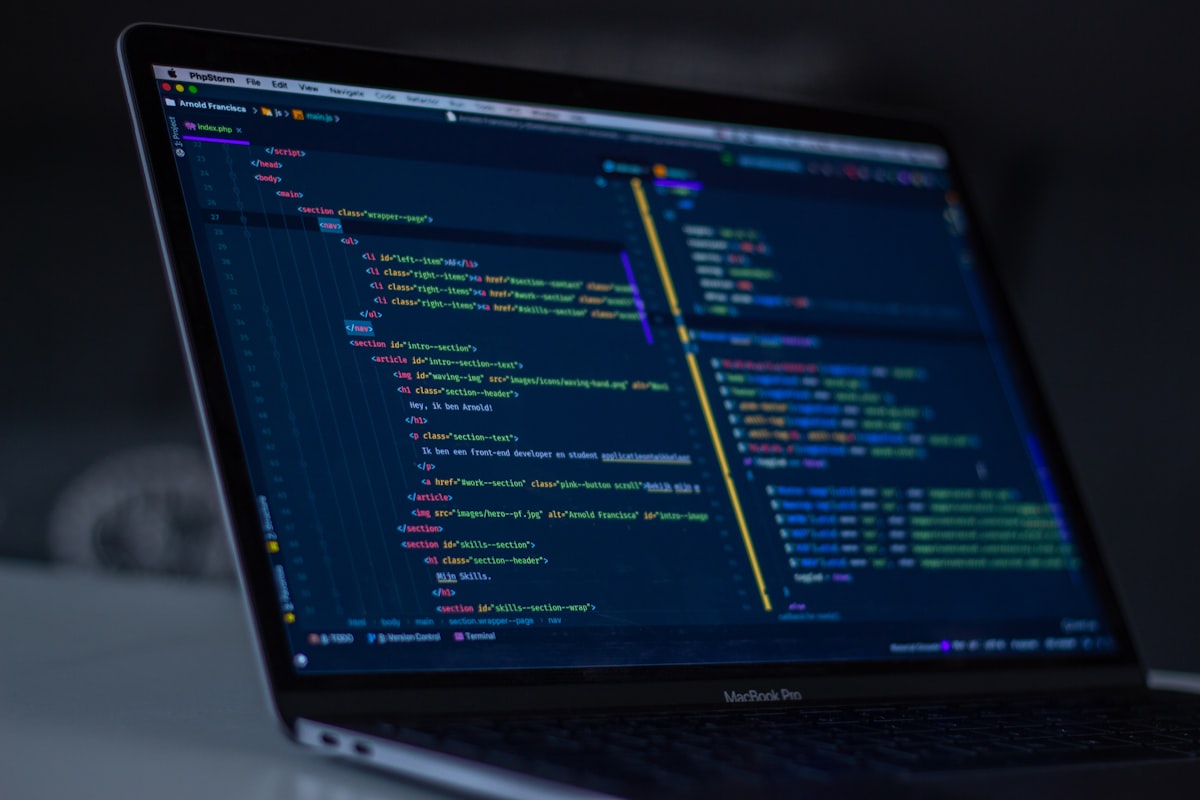
If you've ever needed to quickly orchestrate a remote pair-programming session, you know that trying to share code online reliably can be extremely frustrating.
What is online code sharing?
Online code sharing is the process of transmitting source code between developers over the internet using real-time collaborative editors, enabling simultaneous editing, syntax highlighting, and instantaneous debugging without requiring file downloads.
In this guide
Understand the friction of static sharing
When software engineers need to share code snippets, they often default to static workflows. While these methods are common, they introduce unnecessary delays when active collaboration is required.
Common static methods include:
- Chat client dumps: Pasting unformatted text directly into communication software.
- Static snippet bins: Storing code in read-only repositories (like GitHub Gists or Pastebin).
- Heavy IDE extensions: Requiring third-party IDE plugins inside tools like VS Code.
The easiest way to share code online
To eliminate these bottlenecks, you should establish a workflow utilizing a zero-setup, browser-based collaborative editor like LiveCodeShare. This platform operates dynamically, similar to Google Docs, but is optimized explicitly for source code.
Share your code dynamically in 2 steps
You can transition from a local blocking issue to a live pair-programming session instantly:
- Navigate to the homepage and generate a new room. The system creates a unique, cryptographic URL.
- Distribute this URL to your engineering colleague.
Upon clicking the URL, your colleague is securely connected to your session via WebSockets. Because the platform leverages the Monaco Editor framework, it provides native bracket matching, indentation mapping, and syntax highlighting.
Ensure code security when you share code online
A primary concern when you share code online is the governance of proprietary intellectual property. It is critical to ensure that internal architectural logic is not recorded in public databases.
LiveCodeShare resolves this through strict ephemerality:
- In-memory processing: Code state is managed exclusively in volatile RAM utilizing advanced CRDT structures.
- Automatic destruction: The moment the last active participant terminates their browser connection, the room data is permanently destroyed.
By shifting to an ephemeral environment, your team can resolve complex logic errors faster. Furthermore, this exact low-latency platform is what makes conducting successful remote coding interviews possible without frustrating your candidates.